
All our Rosé de Saignée champagnes
Powerful and fruity champagnes
The Rosé de Saignée cuvées are quite rare in Champagne. These are champagnes whose tint and aromatic profile are obtained by macerating the grapes for several hours. They are champagnes with a great wine quality and a well-marked aromatic profile on notes of ripe red fruits. They are gastronomic champagnes.
Discover our selection of Rosé de Saignée champagnes !

Drappier ChampagneRosé de SaignéeBottle 75cl
« A very fruity champagne, where raspberry and blackcurrant coexist with a hint of citrus. »

Leclerc Briant ChampagneRosé de SaignéeBottle 75cl
« A delicious, well-rounded rosé with lovely notes of ripe red fruit. »

Veuve Fourny ChampagneRosé de SaignéeBottle 75cl
« A Rosé de Saignée for an exceptional moment »

Drappier ChampagneRosé de SaignéeMagnum 150cl
« A powerful rosé with intense notes of red fruit and citrus. »
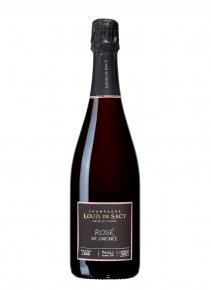
Louis de Sacy ChampagneRosé de SaignéeBottle 75cl
« A rich Rosé de Saignée, with flavors of red berries and spicy notes »

Nicolas Maillart ChampagneBrut Rosé 1er CruBottle 75cl
« A Rosé 1er Cru made primarily from Pinot Noir grapes from Bouzy, with a very winey attack »

Drappier ChampagneRosé NatureBottle 75cl
« A superb rosé made using the saignée method, with no added sugar, fruity and intense. »

Régis Poissinet ChampagneTerre de RoséBottle 75cl
« A macerated rosé that is both sunny and light »

Drappier ChampagneBrut Nature Rosé - Les RiceysBottle 75cl
« A new expression of the Maison's Brut Nature Rosé »
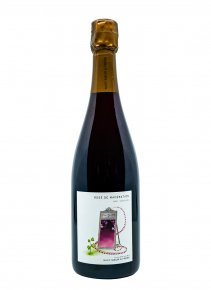
Sacy Soeur & Frère ChampagneRosé de Macération 2022Bottle 75cl
« A full-bodied, taut wine with crisp red fruit flavors and spicy notes from the Verzy Grand Cru »

Canard-Duchêne ChampagneRosé IconicBottle 75cl
« A champagne that pays tribute to indulgence and elegance »

Elemart Robion ChampagneRosé de MacérationBottle 75cl
« A champagne with notes of cherry and raspberry »

Drappier ChampagnePère Pinot 2Bottle 75cl
« A rosé tribute to the four Pinot grapes of Champagne »

Laurent-Perrier ChampagneCuvée Rosé + 2 flûtesBottle 75cl - Presentation pack + flutes
« A wine with great aromatic power, accompanied by 2 tasting glasses »

Laurent-Perrier ChampagneCuvée RoséBottle 75cl - Presentation pack
« Exceptional expertise: macerating Pinot Noir »

Thevenet-Delouvin ChampagneEmpreinte n°3Bottle 75cl
« The perfect choice for lovers of characterful champagnes »

Roger Coulon ChampagneRosélie 1er CruBottle 75cl
« A delight in itself, this cuvée boasts an orange hue and delicate bubbles. »

Nicolas Maillart ChampagneBrut Rosé 1er CruMagnum 150cl
« A delicate, lightly sweetened rosé in a magnum format ideal for special occasions. »

Augustin ChampagneO2 RoséeBottle 75cl
« A macerated rosé with lovely notes of wild strawberries. »

Laurent-Perrier ChampagneCuvée RoséMagnum 150cl
« The Pinot Noir experience in magnum format »

Delamotte ChampagneBrut RoséBottle 75cl
« A rich and round rosé de saignée with lovely fruity notes. »

Mailly Grand Cru ChampagneRosé de MaillyBottle 75cl
« A rosé de saignée with character, expressing beautiful aromas of red fruit. »

Gamet ChampagneRosé de SaignéeBottle 75cl
« A Rosé de Saignée with incredible aromatic power! »

Laurent-Perrier ChampagneCuvée RoséBottle 75cl
« The feeling of diving into a basket of fresh berries »
Rosé de Saignée champagnes ?
Powerful and fruity cuvées
In Champagne, there are 2 methods for making a rosé champagne. The main one consists of adding red wine made in Champagne to the white wine before the second fermentation. But it is also possible to obtain a rosé champagne by macerating the grapes for a few hours. These champagnes are called: Rosé de Saignée.
How to make a Rosé de Saignée ?
Rosé de Saignée are made from black grape varieties (Pinot Noir and Pinot Meunier). The winemaker macerates the grape skins with the juice. The anthocyanins contained in the grape skins then color the juice and give it this particular aromatic profile.
The 5 steps to make a Rosé de Saignée
Rich champagnes
Rosé de Saignée are very expressive champagnes. On the nose, these are cuvées that evolve on the register of ripe red fruits. On the palate, one finds the power discovered on the nose. These are cuvées with a generous, fleshy texture. In the mid-palate, the entire aromatic palette is revealed. One finds notes of red fruits, small berries, but also sometimes notes of citrus fruits and even more gourmet nuances.
Gastronomic champagnes ?
Rosé de Saignée champagnes are cuvées made for gastronomy. Their richness and power allow for surprising pairings. They can be paired with meats, slightly spicy dishes, smoked salmon, or even fruit desserts. They are champagnes that allow one to imagine interesting and creative pairings.
Finally, if you want to discover which are the best Rosé de Saignée champagnes, it's here !
All our Rosé de Saignée champagnes : good to know
| 🔢 Available products count | 27 |
|---|---|
| 🎨 Colour | Rosé champagne |
| 🍾 Format | Bottle, Magnum |
| ↕️ Dosage | Champagne brut, Champagne extra brut, Champagne brut nature |
| 🍇 Cépage | Pinot noir, Chardonnay, Pinot meunier, Pinot blanc |
| 📍 Terroirs | Cote des blancs, Avize, Cramant, Cote des bar, Montagne de reims, Vallée de la marne |
| ⭐ Vintage | Non vintage champagne, Vintage 2010, Vintage 2012, Vintage 2018 |
| 💡 Type de champagne | Rosé de saignée |