
Choose your champagne
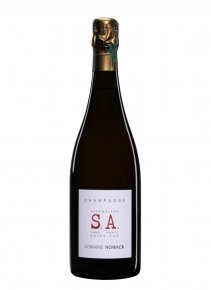
Nowack ChampagneExtra Brut S.A.Bottle 75cl
« A wine with an aromatic profile focused on tertiary notes, designed to accompany gourmet cuisine »

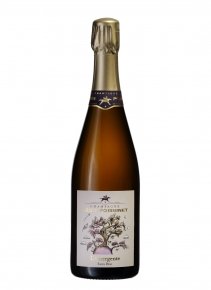
Régis Poissinet ChampagneL'ÉmergenteBottle 75cl
« A vintage with a crisp texture and masterful balance »
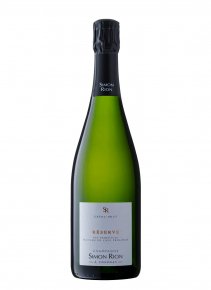
Simon Rion ChampagneRéserveBottle 75cl
« A tribute to the long haul! The marriage of 2012 and a perpetual reserve. »

Veuve Fourny ChampagneBlanc de BlancsBottle 75cl
« A creamy and salty Blanc de Blancs. Perfect with sushi and sashimi. »

Canard-Duchêne ChampagneBlanc de Noirs IconicBottle 75cl
« A cuvée that embodies all the richness and power of Pinot Noir from Champagne. »
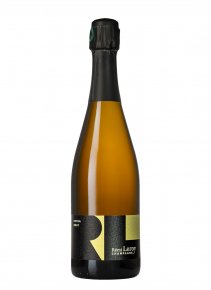
Rémi Leroy ChampagneExtra-BrutBottle 75cl
« A champagne with fruity and deliciously unusual aromas! »

Billecart-Salmon ChampagneLe RéserveBottle 75cl
« A wine with extended aging that brings beautiful aromatic depth. »
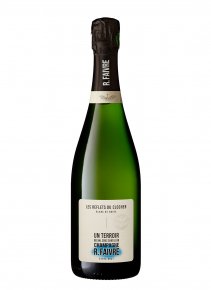
R.Faivre ChampagneReflets du ClocherBottle 75cl
« A champagne with character, refined and luminous »

Pierre Gimonnet ChampagneFleuron 2019Bottle 75cl
« The essence of the vintage according to Pierre Gimonnet »
- ← Previous
- 1
- 2 (current)
- 3
- Next →
History and Origins of the Champagne Method
The Champagne region, located in the northeast of France, has a rich winemaking history that dates back to the 1st century under the Gallo-Roman era. Vineyards were first cultivated on ecclesiastical lands, establishing a tradition of careful winemaking. Over time, the region's strategic location favored trade and the reputation of its wines.
The Beginnings of Effervescence
It was in the 17th century that key innovations such as the introduction of cork stoppers and thicker bottles allowed for better wine preservation. These advances favored effervescence, giving birth to what we know today as champagne. The aristocracy of the time, seduced by the delicate bubbles, contributed to shaping the image of champagne as a drink for special moments.
Protection and Recognition
Since the end of the 19th century, champagne producers have taken measures to protect their heritage and guarantee the exclusivity of the "Champagne" appellation. In 2015, this iconic region was inscribed on the UNESCO World Heritage List, recognizing its historical and cultural importance.
The Great Champagne Houses
Among the many champagne houses, some stand out for their prestigious history and continuous innovation. Here are some of the most renowned:
- Moët & Chandon: Founded in 1743, it is famous for the Cuvée Dom Pérignon and owns 1,600 hectares of vineyards.
- Veuve Clicquot: Founded in 1772, it is known for its yellow label and the invention of rosé champagne.
- Taittinger: Founded in 1760, it distinguishes itself by its unique method and its Cuvée Comtes de Champagne.
- Bollinger: Founded in 1829, it favors Pinot Noir and is recognized for its traditional approach.
- Gosset: The oldest house of champagne wines, founded in 1584.
The Unique Champagne Making Process
The making of champagne is a complex art that requires meticulous attention at every step. Here is an overview of the process:
Champagne Making Steps
- Manual Harvesting: The grapes, mainly Chardonnay, Pinot Noir, and Pinot Meunier, are picked by hand.
- Pressing: The grapes are gently pressed to extract the must.
- First Fermentation: The must is fermented into wine in vats.
- Blending: The clear wines from different crus and grape varieties are mixed together.
- Tirage and Second Fermentation: The blend is bottled with yeast and sugar for a second fermentation.
- Aging: Champagnes age for at least 15 months for non-vintage and 36 months for vintage.
- Riddling: The bottles are regularly turned to bring the sediment towards the neck.
- Disgorging: The sediment is expelled and replaced by a dosage liqueur.
Champagne Rosé Production Methods
Champagne rosé can be produced by two methods: the rosé de saignée, where the skins of the black grapes macerate with the must, or the rosé d'assemblage, where still red wine is mixed with champagne white wine.
The Different Types of Champagne and Their Characteristics
Champagne offers a wide variety of styles and flavors, influenced by the grape variety, dosage, and production process. Here is an overview of the main types of champagne:
Main Types of Champagne
- Blanc de Blancs: Made exclusively from Chardonnay, it is known for its finesse and elegance.
- Blanc de Noirs: Made from Pinot Noir and Pinot Meunier, it is more full-bodied and rich.
- Rosé: Produced by blending or maceration, it offers a range of colors from pale pink to deep red.
Dosage and Grape Variety
The dosage, that is, the amount of sugar added, determines the sweetness of the champagne:
- Brut Nature: Very dry.
- Extra Brut: Slightly sweeter than Brut Nature.
- Brut: Dry and versatile.
- Sec: Sweeter than Brut.
- Demi-Sec: Sweet, ideal for desserts.
- Doux: The sweetest, perfect for very sweet desserts.
How to Serve and Taste Champagne
To fully appreciate champagne, it is important to follow certain steps of service and tasting:
Champagne Preparation and Service
- Chilling: Place the champagne in the refrigerator for at least 4 hours or in an ice bucket for 30 minutes.
- Ideal Temperature: Serve between 8°C and 10°C for a young champagne, and between 10°C and 12°C for a mature champagne.
- Opening and Pouring: Pour slowly to preserve the bubbles, filling the glass two-thirds full.
Glass Choice
Use a tulip-shaped glass to preserve the bubbles and aromas.
Sensory Analysis of Champagne
- Visual Examination: Observe the color and the fineness of the bubbles.
- Olfactory Analysis: Identify the primary and secondary aromas.
- Gustatory Study: Evaluate the attack on the palate, the finish, and the length.
Pairing Champagne with Food
The art of pairing champagne with food allows for both the wine and the dishes to be enhanced:
Champagne Choices for Various Dishes
- Champagne Brut: Ideal with shellfish, poached fish, and sushi.
- Blanc de Blancs: Perfect with seafood and oysters.
- Blanc de Noirs: Pairs well with roasted poultry or game.
- Rosé: Complements red meats and fruit-based desserts.
- Sec, demi-sec, or doux: Ideal with sweet desserts.
Tips for Choosing the Right Champagne
Understanding the Factors Influencing Prices
The prices of champagnes vary according to the cost of the grapes, the reputation of the brand, and marketing efforts.
Choosing According to Taste Preferences
- Chardonnay: Brings freshness and acidity.
- Pinot Noir: Offers structure and notes of red fruits.
- Pinot Meunier: Adds roundness and aromas of yellow fruits.