


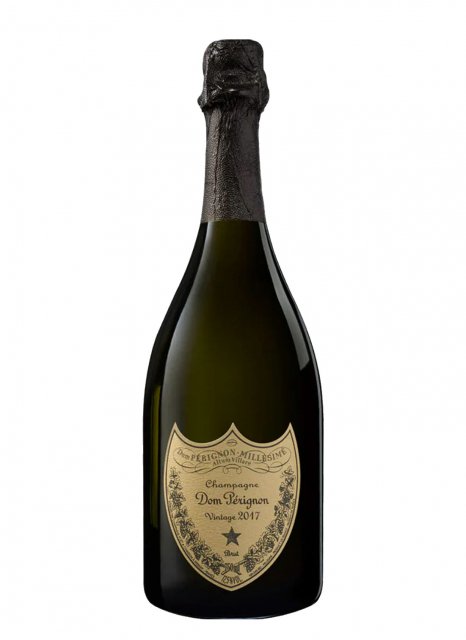


The 2017 Dom Pérignon is a lively, creamy, and mineral-driven champagne. This wine is the perfect accompaniment to your aperitifs as well as to dinners featuring shellfish. It is an atypical vintage for Dom Pérignon, dominated by Chardonnay. This cuvée embodies the high standards of the Plénitude 1 concept.
Aging on the lees for nearly 78 months shapes its character. The aromatic profile reveals delicate floral notes of jasmine. The texture on the palate exhibits a tension characteristic of the vintage.
This style stands in stark contrast to other cuvées from the same decade. Connoisseurs will remember the uniqueness of this atypical vintage.
The production of Dom Pérignon Vintage 2017
The Terroir
The vineyards stretch across the Côte des Blancs and the Montagne de Reims. The villages of Avize, Cramant, Bouzy, and Aÿ provide the grapes. Campanian white chalk dominates these Premier Cru and Grand Cru classified soils. This porous rock regulates the vines’ moisture levels during the summer heat.
The south-facing slopes promote photosynthesis in the grapes. The chalky soil accumulates heat during the day and releases it at night. This thermal phenomenon limits the impact of spring cold on the vines. The roots grow deep into the ground to absorb essential minerals.
Winemaking
This is the last vintage vinified by the estate’s iconic cellar master, Richard Geoffroy. It also marks the transition to his successor, Vincent Chaperon. The blend consists of 61% Chardonnay and 39% Pinot Noir, a higher proportion than usual (which is generally close to parity with Pinot Noir). This is due to the difficult weather conditions of 2017. The grapes come exclusively from villages classified as Grands Crus and from Hautvillers.
Strict manual sorting systematically removed berries damaged by rain. Alcoholic fermentation takes place under temperature control in stainless steel tanks. The technical team carries out a complete malolactic fermentation to soften the wine.
The wine is aged on its lees for nearly 78 months. This long aging period takes place in the estate’s cellars, with the bottles sealed with a capsule.
This cuvée was disgorged in 2024.
The addition of the expedition liqueur adjusts the dosage to extra-brut at 5 g/L.
The 2017 vintage
The growing season began with severe spring frosts in April. Flowering took place under milder weather conditions in June. A very hot summer followed this difficult start to the year.
The Chardonnays took advantage of the heat to express a sunny vintage profile. Veraison accelerated under the influence of these high temperatures in July. Rainfall in late August led to the onset of diseases on the grapes. The hand-harvest began in September under challenging weather conditions.
Tasting notes
Color
The color reveals a yellow hue with green highlights. The effervescence is distinguished by the finesse of its bubbles. The stream of bubbles is dynamic and consistent in the glass. The clarity reflects the care taken during pressing.
Nose
The bouquet opens with a vibrant freshness reminiscent of the air after rain. The initial nose blends sunny warmth with the scents of white flowers. Complex aromas evoking jasmine dominate the profile. A few minutes of aeration releases notes of candied zest.
Palate
The attack on the palate captivates with its immediate fullness. The structure reveals a balance between bitterness and refreshing acidity. Hints of citrus linger persistently on the mid-palate. The salty finish lingers for a long time with toasted notes.

Pairing Suggestions

- Oscietra caviar
- Roasted langoustines
- Sea bream tartare

- Rack of lamb with thyme
- Poached king crab
- Roasted sea bass with fennel

- 36-month-aged Parmesan
- 24-month-aged Comté
- Citrus tartlet
The Expert's Opinion: More Bubbles
This 2017 vintage defies climatic variations with precise balance. The predominance of Chardonnay reveals the estate’s technical mastery. The wine’s mineral tension suggests it has the potential for long cellaring. This cuvée offers a style that is the complete opposite of a vintage Blanc de Noirs champagne.
Storage and Serving Recommendations
How should this champagne be stored?
Total darkness protects the bottles from light damage. The cellar temperature should be maintained at around 12°C. A humidity level of 70% keeps the cork supple. Storing the bottle horizontally ensures it remains airtight (75cl).
Solid shelving absorbs shocks and vibrations. A well-ventilated environment prevents the buildup of unpleasant odors. Aging thus continues under ideal conditions.
Aging potential
The natural acidity of Chardonnay gives this wine the structure to age well.
- Drink now: The wine expresses its liveliness with citrus notes.
- Maturity phase (by 2035): The wine develops notes of brioche.
- Evolution phase (from 2042 onward): The wine reveals honey aromas.
Serving suggestions
The ideal serving temperature is between 8 and 10°C. A 5-minute aeration dissipates the initial slight reduction. Using a large tulip glass releases the complex aromas. Pour slowly to preserve the effervescence.
Gradual cooling in an ice bucket preserves the wine. A sudden temperature shock would stifle the aromatic expression of the grape varieties.
Fun fact about this vintage
The 2017 vintage was crafted by Richard Geoffroy; it is his final vintage at Dom Pérignon. Renowned critic Antonio Galloni awarded it an exceptional score of 97/100.
This is a vintage with a much lower yield than usual (approximately 20% of the usual volume).
In every respect, it is a vintage that stands out
in the Dom Pérignon range.

Opinion of thewine guides