
Description & Production
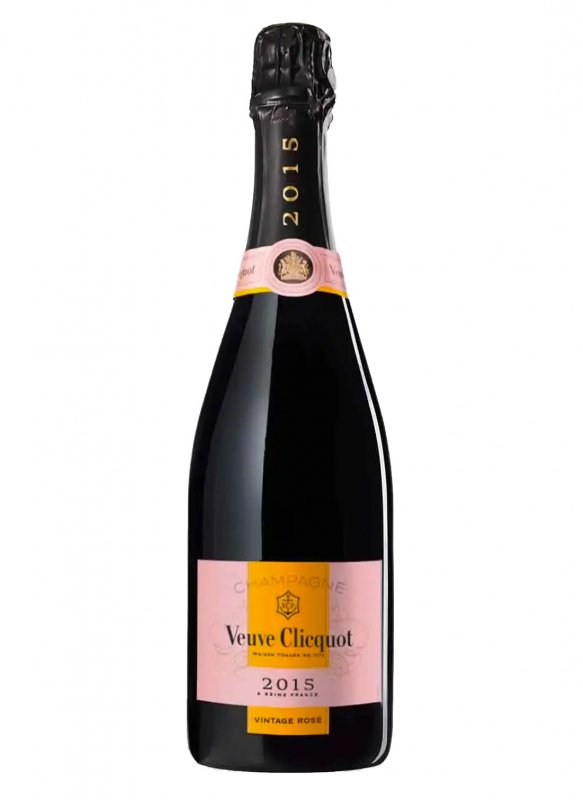
Veuve Clicquot’s2015 Vintage Rosé is a vintage champagne with notes of pink grapefruit, ripe red berries, and sweet spices, offering a pronounced fruity and vinous intensity. On the palate, it reveals a generous, well-structured texture, ideal for both dining and tasting. Created by Cellar Master Didier Mariotti, this magnum is a rare edition, drawn from the house’s finest vintages.
This magnum (1.5L) combines the tannic structure of Pinot Noir with the freshness of Chardonnay. Partial aging in oak barrels provides micro-oxygenation that enriches the aromatic complexity through controlled interaction between the wine and the air. This vinous structure makes it a champagne that pairs naturally with roasted meats and meaty fish.
The Terroir
The blend for this champagne is made from grapes sourced from villages classified as Premiers Crus and Grands Crus. The Pinot Noir plots are located primarily in Verzy and Verzenay, two Grand Cru villages in the Montagne de Reims. There, the vines sink their roots into the chalky soils typical of the appellation, promoting slow ripening and pronounced minerality.
The winemaking process incorporates 13% still red wine from the village of Bouzy. This Grand Cru-classified terroir, characterized by clay-limestone soils, is one of the few villages in Champagne to produce an appellation-designated red wine. The grapes for this red wine are rigorously selected during the hand-harvest. This addition sets the color and reinforces the blend’s final vinous character.
The Chardonnay comes from a selection of villages in the Côte des Blancs. It provides the acidity necessary for extended aging on the lees. Finally, the Meunier lends an expressive fruitiness to the blend’s structure. Together, these components represent some twenty crus from the Champagne region.
Winemaking
Cellar Master Didier Mariotti oversaw the blending of this vintage. The blend combines 50% Pinot Noir and 30% Chardonnay, complemented by 20% Pinot Meunier. The grapes undergo gentle pressing to extract the clear musts.
Exactly 11% of the must ferments and then ages in oak casks. The capacity of these casks limits direct contact with the wood and allows for measured gas exchange. Malolactic fermentation (the conversion of malic acid to lactic acid, which softens the wine) takes place entirely in each base wine.
The lees then contribute a distinctive texture through autolysis (the gradual breakdown of dead yeast cells, which releases aromatic compounds). Disgorgement takes place after a long maturation period in an underground cellar. The expedition liqueur sets the final dosage at 8 g/L. This value classifies the wine as “Brut.”
This dosage of 8 g/L is precisely adjusted to the natural acidity of the 2015 vintage, preserving the wine’s vibrancy after disgorgement. A post-disgorgement rest period allows for the complete assimilation of the expedition liqueur before the wine is released for sale.
The 2015 Vintage
The 2015 growing season benefited from abundant sunshine in Champagne. Spring saw regular rainfall, which was favorable for vine development. August and September saw temperatures above seasonal norms. The harvest began in mid-September under particularly dry conditions.
The harvested berries had a very high natural sugar content. The physiological ripening of the Pinot Noir was completed in the heat, yielding rich and concentrated musts. The Chardonnay, meanwhile, maintained a pH suitable for secondary fermentation and a welcome lively acidity.
This contrast between richness and freshness defines the character of the 2015 vintage. The impeccable health of the grapes facilitated sorting and juice extraction. Yields, limited by the summer drought, reflect the characteristic concentration of this harvest.
Tasting Notes
Color
The Vintage Rosé cuvée boasts a salmon-pink hue. Delicate coppery highlights enliven the wine’s surface in the glass. The persistent effervescence forms a fine, even string of bubbles.
Nose
The initial nose reveals a fruity bouquet dominated by morello cherry. Floral notes of orange blossom mingle with citrus. As the wine breathes, nuances of exotic fruits and brioche emerge. Peppery notes become apparent a few minutes after opening.
Palate
On the palate, the attack is energetic and well-defined. The silky texture envelops aromas of anise and juicy cherry. The chalky finish lingers with hints of Viennese bread. The acidity supports the aromatic persistence at the end of the tasting.

Pairing Suggestions

- Gougères with aged Comté
- Aged Iberian ham
- Fresh salmon tartare

- Monkfish Tagine with Dates
- Spiced roast duck
- Pan-fried red mullet with saffron

- Aged Chaource
- Red Berry Tart
- Raspberry Macarons
The Benefits of the Magnum
The magnum format has a capacity of 1.5 liters, equivalent to two standard bottles. It is sufficient to fill twelve traditional champagne flutes.
The lower ratio of oxygen to liquid creates a less oxidative environment. Over time, this slows the development of champagne’s tertiary aromas. The magnum format thus delays the aging process compared to a standard bottle, and gas exchange through the cork occurs more slowly.
The Expert’s Opinion: More Bubbles
Why do I love it?
I loved the energy of this cuvée, oscillating between the freshness of yuzu and the rich, indulgent notes of Viennese bread. Its palate, marked by cherry and anise, offers remarkable body and length.
My recommendation
Serve at 10–12 °C in a wine glass: it will perfectly complement a monkfish tagine with dates. Can be cellared until 2041.
Tips
How should this champagne be stored?
Plus de Bulles ships this magnum (1.5 L) in reinforced shipping boxes specially designed for transporting champagne. Upon receipt, we recommend storing the magnum horizontally, away from light. Ideally in a wine cellar, or at least in a cool, not-too-dry place with a relatively stable temperature.
Aging Potential
Veuve Clicquot’s 2015 Vintage Rosé will continue to mature over the years. In magnum format, this champagne has an aging potential of approximately fifteen years. The vintage’s structuring acidity and the internal pressure of the magnum preserve the liveliness of the bubbles over time.
- Through 2028: The fruity profile comes into full expression, with notes of yuzu and fresh citrus.
- From 2029 onward: yeast autolysis produces rich, baked notes of toast and brioche.
- Around 2030: The wine develops peppery and tertiary notes—spicy and deep.
Serving Recommendations
The recommended serving temperature is between 10 and 12°C. This moderate temperature preserves the effervescence and enhances the release of aromas. A large tulip-shaped glass amplifies the olfactory experience. Allowing the wine to breathe for a few minutes beforehand releases the autolytic aromas.
Gradual cooling in an ice bucket prevents thermal shock. Using water and ice cubes ensures the wine reaches a uniform temperature. Pour the wine in two separate stages to minimize excessive foaming when serving.
Trivia about this cuvée
The year 1810 marks the first vintage Champagne declared by Madame Clicquot. The 2015 vintage is the house’s sixty-seventh vintage release. A vintage is declared only during harvests of exceptional quality. The house documents each harvest year in its historical archives.
The decision to blend red wines from Bouzy continues this tradition. The Champagne terroir dictates the character of each annual cuvée. The brand also produces the gourmet range of Veuve Clicquot rosé champagnes with a distinct dosage. These different technical approaches cater to a variety of tasting profiles.
