


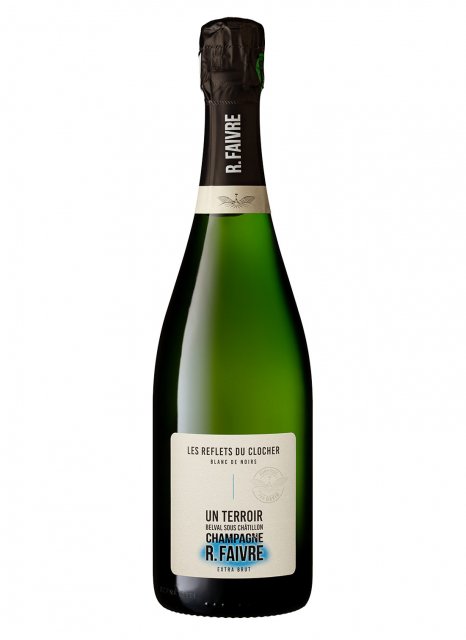


The magnum ofChampagne R. Faivre'sReflets du Clocher cuvée brilliantly expresses the personality of Meunier. Made mainly from the 2022 harvest, supplemented by 20% reserve wines (2018, 2019, 2020), this large-volume format highlights the finesse of the fruit and the depth of the Belval-sous-Châtillon terroir.
This Extra Brut champagne combines purity and energy. In magnum format, the slower evolution accentuates the aromatic precision and creamy texture. A vibrant and expressive style, the signature of David Faivre.
The production of the Reflets du Clocher David Faivre magnum
Made exclusively from Meunier, the signature grape variety of the Marne Valley, this wine reflects the estate's philosophy: clear fruit, fine bubbles, and natural balance. The blend combines the roundness of the 2022 harvest with the complexity of reserve wines. In magnum format, the aim is to enhance the wine's tension and longevity while preserving its bright fruitiness.
- Meunier (100%) brings fullness, fleshy fruit, and a velvety texture.
The terroir
The grapes come exclusively from Belval-sous-Châtillon, in the heart of the Marne Valley. The vines grow on brown limestone and clay-limestone soils, which offer ideal drainage and mineral reserves that accentuate the freshness. The cultivation approach is ecological and manual:soil cultivation, grass cover, trellising, and harvesting at optimal maturity. This terroir gives Meunier a tense and fruity expression of great purity.
Vinification
Fermentation takes place in temperature-controlled enameled vats. Malolactic fermentation is blocked to preserve the natural acidity and freshness of the fruit. The wine rests on fine lees before being bottled in magnums, then ages for 24 months in the cellar before disgorging. Extra Brut dosage (0.5 g/L). This long aging in large format promotes slow and steady development, ensuring complexity and balance.
The year 2022
The year 2022 was characterized by a hot, dry climate, perfectly balanced by cool nights. The Meuniers from Belval produced juices that were both ripe and lively, with beautiful aromatic concentration. In this cuvée, 2022 translates into vibrant fruit (peach, mirabelle plum, fresh hazelnut) and a salty finish that lingers on the palate. In magnum format, this structure gains depth and longevity.
Tasting of the cuvée in magnum
Color
Deep gold with luminous highlights. Fine, persistent effervescence. Regular cordon and crystalline sparkle reflecting the purity of Meunier.
Nose
Initial nose of white peach, mirabelle plum, and acacia blossom. After aeration: toasted hazelnut, delicate brioche, and a hint of chalk. Harmonious, full-bodied, and precise.
Palate
Supple and straightforward attack. Full-bodied and velvety texture. The bubbles, finer in magnum, support crisp fruit and a salty finish. The tension balances the maturity, offering remarkable length.

Food pairing
The aromatic maturity and saline tension of the magnum pair perfectly with dishes that have a soft or slightly grilled texture. It will enhance noble fish, white meats, or root vegetable-based preparations.

- Poultry puff pastry
- Trout rillette
- Mini truffle croque

- Roasted scallops
- Sea bass fillet with candied lemon
- Bresse chicken with clear jus

- Honey-roasted apple
- Thin apricot tart
- Hazelnut financier
Storage and serving
How to store this magnum
Store the Magnum Reflets du Clocher at 10–11°C in a dark, humid (70–75%) cellar free from vibrations. The large format slows down the evolution, allowing for harmonious aging over a period of ten years. The Meunier will gain in complexity, developing nuances of dried fruit, honey, and chalk while retaining its freshness.
Ageing potential
Optimal window: 2025–2035. 2025–2028: vibrant fruitiness and clear tension. 2029–2032: expanded texture, aromas of hazelnut and candied citrus. 2033–2035: depth and persistent salinity, assertive and racy style.
How to serve Reflets du Clocher – Magnum?
We recommend serving the magnum at 10°C in large tulip glasses to release the full range of the Meunier. Pour gently to preserve the fine bubbles. A short aeration of 5 to 10 minutes before tasting will highlight the complexity and tension of the wine.

Opinion of thewine guides